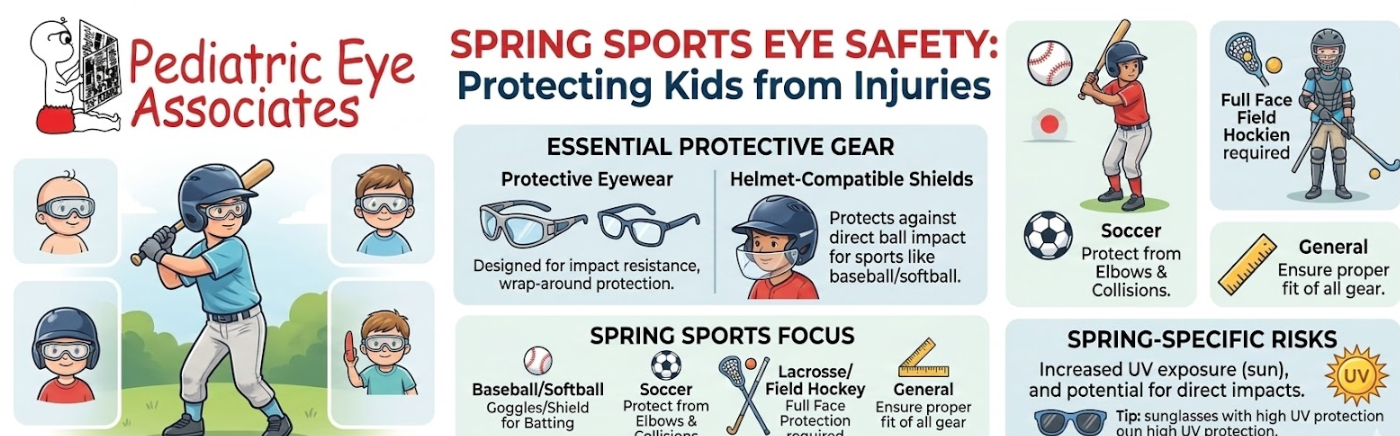
Spring is a season of activity, and for many children, it means sports, outdoor play, and organized team activities. While these activities are excellent for fitness and social development, they also present risks for eye injuries. Protecting children’s eyes during sports is essential, as pediatric eye injuries can lead to long-term vision problems if not addressed promptly. At Pediatric Eye Associates LLC, our team focuses on educating families about sports eye protection in Livingston, NJ, and strategies to prevent injuries, ensuring that kids stay safe while enjoying the games they love.
About Dr. Rachel Bloom
Dr. Rachel Bloom, MD, is a board-certified, fellowship-trained pediatric ophthalmologist. Originally from Long Island, New York, she graduated summa cum laude from Brandeis University and attended medical school at Albert Einstein College of Medicine, where she received the prestigious Alumni Scholarship. Dr. Bloom completed her residency in ophthalmology and fellowship in pediatric ophthalmology and strabismus at Montefiore Medical Center.
Dr. Bloom has published numerous articles in medical journals and presented at conferences nationwide. She specializes in pediatric and adult strabismus and brings exceptional expertise in preventing and managing pediatric eye injuries. Dr. Bloom lives in New Jersey with her husband and two children, combining professional experience with a personal understanding of children’s needs.

Common Sports-Related Eye Injuries in Children
Eye injuries can occur in nearly any sport, from baseball and basketball to soccer and lacrosse. Some of the most frequent types of injuries include:
- Corneal abrasions—scratches on the surface of the eye caused by contact with fingers, balls, or equipment.
- Blunt trauma—impact from balls, bats, sticks, or accidental collisions.
- Foreign bodies—dust, dirt, or debris entering the eye during outdoor play.
- Chemical injuries—exposure to pool chemicals, sunscreen, or cleaning products.
Even seemingly minor injuries can affect vision if left untreated. Prompt evaluation by a pediatric eye specialist is critical to prevent long-term complications.
Why Eye Protection Matters
Protecting children’s eyes is not just about safety; it also ensures that they can continue to participate in the sports they enjoy without interruption. Pediatric eye injury prevention involves teaching children safe habits, providing the proper protective equipment, and monitoring their environment during activities.
High-quality sports goggles or face shields designed specifically for youth athletes can prevent up to 90% of eye injuries in sports. These protective measures are particularly important for sports with high-speed projectiles or physical contact, such as baseball, basketball, or hockey.
Tips for Preventing Sports Eye Injuries
- Choose the Right Equipment
Select age-appropriate and sport-specific protective eyewear. Ensure goggles fit properly, are made from impact-resistant materials, and have adjustable straps to prevent slipping. - Educate Children on Eye Safety
Teach kids not to rub their eyes if something gets in them and to alert an adult immediately if they experience discomfort or injury. - Supervise and Enforce Rules
Coaches and parents should enforce safe play rules and monitor children closely to prevent risky behavior that could lead to eye injuries. - Regular Eye Exams
Routine eye check-ups can identify pre-existing conditions that may increase injury risk and ensure children have optimal vision for sports performance. - Immediate Care for Injuries
Even minor trauma should be evaluated promptly by a pediatric eye specialist to prevent complications such as infections or permanent vision damage.
Pediatric Eye Associates LLC Approach
At Pediatric Eye Associates LLC, Dr. Rachel Bloom and her team specialize in sports eye protection in Livingston, NJ, offering guidance, personalized recommendations, and advanced protective eyewear solutions for young athletes. By combining education with preventative care, we help families reduce the risk of eye injuries and ensure children enjoy safe, active lifestyles.
Frequently Asked Questions
1. What type of protective eyewear is best for kids in sports?
High-quality, impact-resistant goggles or face shields designed for youth athletes are ideal. They should fit snugly, have adjustable straps, and meet safety standards for the sport.
2. Can eye injuries from sports cause long-term vision problems?
Yes. Even minor injuries, if untreated, can lead to infections, scarring, or other vision issues. Prompt evaluation by a pediatric eye specialist is essential.
3. How can parents encourage safe sports practices?
Parents should educate children on eye safety, enforce protective gear use, supervise play, and ensure regular eye exams.
4. At what age should children start using protective eyewear in sports?
Protective eyewear is recommended for all children participating in sports where there is a risk of eye injury, regardless of age.
5. What should I do if my child gets hit in the eye during a game?
Seek immediate evaluation from a pediatric eye specialist. A quick assessment can prevent complications and long-term vision problems.
Spring sports should be a time of fun, teamwork, and skill development. By prioritizing pediatric eye injury prevention and investing in proper sports eye protection, Livingston, NJ, parents and coaches can help children play safely and confidently.