
Introduction: What Summer Screen Time is and Why It Matters
As summer approaches, children across the Livingston, NJ area are excited about spending more time outdoors. However, the allure of screens—tablets, phones, and TVs—can often compete with fresh air and sunshine. In a world where technology is ubiquitous, finding the right balance becomes increasingly important for the well-being of our children. It’s not uncommon for kids to prefer engaging with devices over playing outside, which can lead to negative effects on their physical and eye health.
While technology can be an engaging way for kids to connect with friends and enjoy entertainment, excessive screen time can lead to potential eye health issues. Studies indicate that screens can contribute to increased rates of myopia (nearsightedness), blurred vision, and discomfort in children due to prolonged focus at close distances. The impact can be exacerbated by individual factors, such as family history of eye issues or existing visual problems. As parents and caregivers, being proactive about managing your child’s screen time is essential; it is a responsibility that directly influences their health.
In this article, we will explore the importance of balancing summer screen time and eye health for kids. We will offer practical tips for monitoring and managing screen time effectively to facilitate healthier choices. Furthermore, we will discuss the pediatric eye care services available at Pediatric Eye Associates LLC, designed to support your family’s vision health and ensure a fun, enjoyable summer for your child.
Signs, Symptoms, and Common Questions
Recognizing sight issues in children is vital for early intervention. Parents play a central role in monitoring their child’s health, and being observant about visual behavior can make a significant difference. Watch for signs that may indicate your child is experiencing vision problems due to excessive screen time:
- Frequent Squinting: If your child squints often, it may suggest they are struggling to see clearly. This can be especially evident when they are trying to read text on a screen or see objects in the distance.
- Eye Fatigue: Complaints of tired or aching eyes after using screens can indicate strain. Look for signs such as rubbing their eyes or closing them frequently.
- Headaches: Regular headaches may be linked to prolonged screen exposure and poor visual ergonomics. These headaches often stem from the muscles of the eyes becoming overworked.
- Difficulty with Distance Vision: If your child has trouble seeing the board at school or objects in the distance, this could point to developing issues like myopia. This is especially relevant if they start sitting closer to the television or holding devices too close to their faces.
It is crucial to address any signs of discomfort early, as timely interventions can prevent more serious problems. Regular eye examinations, especially if your child uses screens often, help assess their visual acuity, alignment, and general eye health. These tests can track changes over time and allow for the timely management of any emerging issues.
How Pediatric Eye Associates LLC Helps
At Pediatric Eye Associates LLC in Livingston, NJ, we are dedicated to providing comprehensive care tailored to meet each child’s unique needs. Our team of board-certified, fellowship-trained pediatric ophthalmologists, including Dr. Rachel Bloom and Dr. Amy Lambert, specialize in evaluating and treating children’s eye conditions. Their expertise spans various areas, allowing us to address a range of eye concerns from routine check-ups to more complex conditions.
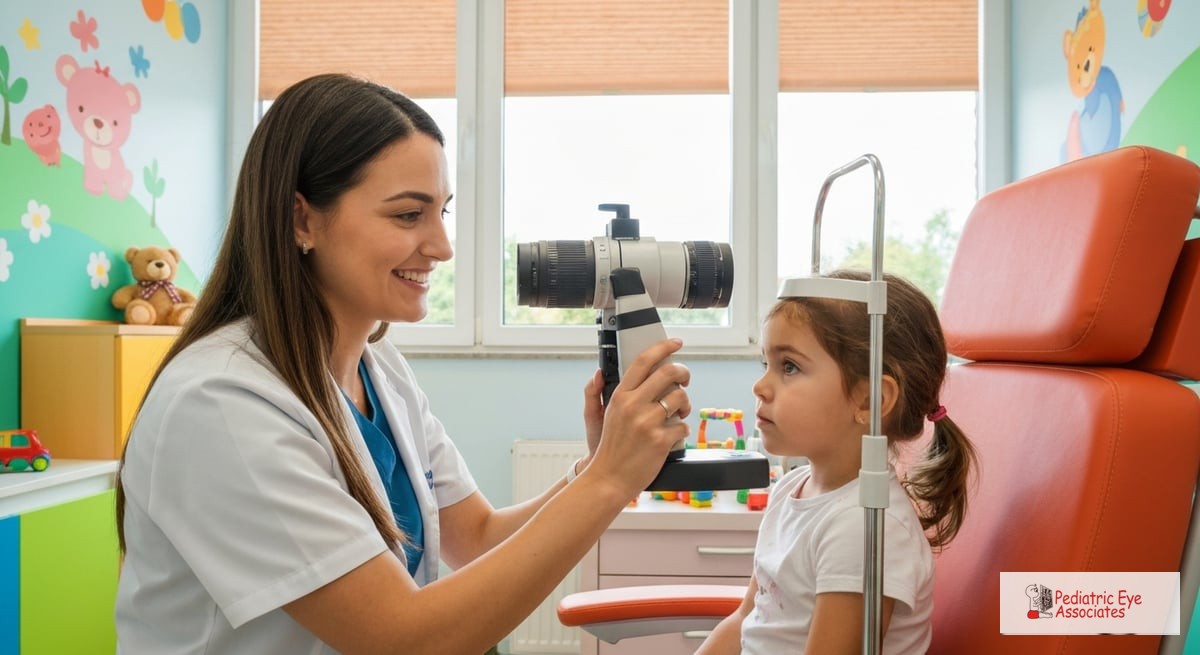
During eye examinations, we use specialized techniques and equipment designed for even the youngest patients who may not be able to express their symptoms. Techniques such as vision screening games and interactive tools not only assess vision but also make the experience enjoyable for children. This approach is designed to create a comfortable environment for children, helping them feel at ease during their visit and reducing any anxiety related to the eye exam process.
Services such as comprehensive pediatric eye exams, myopia management, and treatment for common conditions like amblyopia (lazy eye) and strabismus (eye misalignment) are all part of our commitment to safeguarding your child’s eye health. Our team stays up to date on the latest research and developments in pediatric eye care, ensuring that every child receives the most current treatment options. Our expertise ensures that children receive the care they need to support proper vision development throughout their formative years, fostering not just healthier eyes, but also enhancing their overall learning and development.
Practical Tips and Takeaways
To ensure your child enjoys their summer screen time without compromising their eye health, consider implementing the following strategies:
- Set Screen Time Limits: Aim for balanced technology use by setting reasonable time limits for screen exposure. The American Academy of Pediatrics recommends no more than one to two hours of recreational screen time for children ages 2 to 5 and consistent limits for older children. Discuss these limits with your child to help them understand the reasoning behind it.
- Encourage Breaks: Implement the 20-20-20 rule: every 20 minutes, encourage your child to look at something 20 feet away for at least 20 seconds. This significantly reduces eye strain and is an easy way to promote healthier usage habits.
- Optimize Viewing Conditions: Ensure that screens are kept at a comfortable distance (about an arm’s length) and that lighting conditions prevent glare. This could involve adjusting the brightness of screens and reducing reflections from windows or lights.
- Incorporate Outdoor Activities: Balance screen time with outdoor play, which allows for essential physical activity and natural light exposure, both beneficial to eye health. Activities like riding bikes, playing sports, or simply walking in nature provide ample visual stimulation without stressing the eyes.
- Regular Eye Exams: Schedule comprehensive pediatric eye exams for your child. At Pediatric Eye Associates, we emphasize the importance of regular eye check-ups, particularly if screen usage is frequent. A proactive approach can detect any potential issues early on.
By embedding these tips into your family’s daily routine, you can create a healthier balance between screen time and eye health, facilitating a more enjoyable summer experience.
When to Seek Professional Care
If you notice any persistent signs of vision problems in your child, it is important to schedule an appointment with a pediatric eye specialist. Indicators like continued squinting, frequent headaches, difficulty focusing, or complaints about blurry vision should not be overlooked. These symptoms can indicate underlying issues that may worsen over time if not addressed promptly.
During your visit to Pediatric Eye Associates LLC, your child will undergo a thorough eye examination. Here’s what to expect:
- Comprehensive Evaluation: Our ophthalmologists will assess your child’s visual acuity and eye alignment and check for common conditions. This assessment helps us understand your child’s unique visual needs.
- Child-Friendly Atmosphere: Our office is designed with children in mind, featuring a warm and friendly environment to ease any anxiety. This atmosphere is crucial in ensuring children feel comfortable, enabling them to undergo tests without fear.
- Tailored Recommendations: After the evaluation, we will provide tailored recommendations for treatment if needed, including comprehensive eye care practices to maintain good vision health as your child grows. This may involve lifestyle changes or specific exercises designed to strengthen vision and improve visual processing.
Remember, being proactive about eye care is an investment in your child’s future, aiding not only their eye health but also their overall academic performance and quality of life.
Conclusion
As we embrace summer, balancing screen time with outdoor play and healthy habits is crucial for your child’s eye health. By following practical tips and seeking professional care when necessary, you can support your child’s vision while they enjoy their screen time. It is not just about limiting exposure but also about making informed choices that enrich their lives and experiences.
At Pediatric Eye Associates LLC in Livingston, NJ, our team is committed to providing expert care tailored to the unique needs of every child. We understand that every child is different, and our goal is to create an individualized care plan that reflects their specific vision needs. Together, we can help ensure your child enjoys a healthy, vibrant summer. Schedule your child’s eye exam today to promote their vision health and overall well-being.
Common Questions
How much screen time is appropriate for my child during summer?
The American Academy of Pediatrics recommends limiting recreational screen time to no more than one to two hours per day for children ages 2 and older. This guideline is particularly important during the summer when screen time can easily exceed these limits.
What should I do if my child complains of eye pain after using screens?
If your child experiences eye pain or discomfort after using screens, encourage them to take breaks and consult with a pediatric eye specialist if symptoms persist. It could indicate that their eyes are overworked and require professional attention.
How often should my child have an eye exam?
Children should have their first comprehensive eye exam by age 1, again at age 3, and before entering school. Follow-up exams should be scheduled as recommended by your child’s eye doctor, particularly if they are showing any signs of visual discomfort.
Can screen time lead to long-term vision problems?
Excessive screen time can contribute to issues such as myopia, but regular eye exams and proper management can help mitigate risks. The key is to foster balanced usage and be aware of any troubling signs.
Does outdoor play really help vision development?
Yes, outdoor play provides essential exposure to natural light and encourages activities that promote good eye health, potentially reducing the risk of myopia. Moreover, it helps develop coordination and physical fitness.
This article was created with the help of AI. Images may also be AI-generated.