
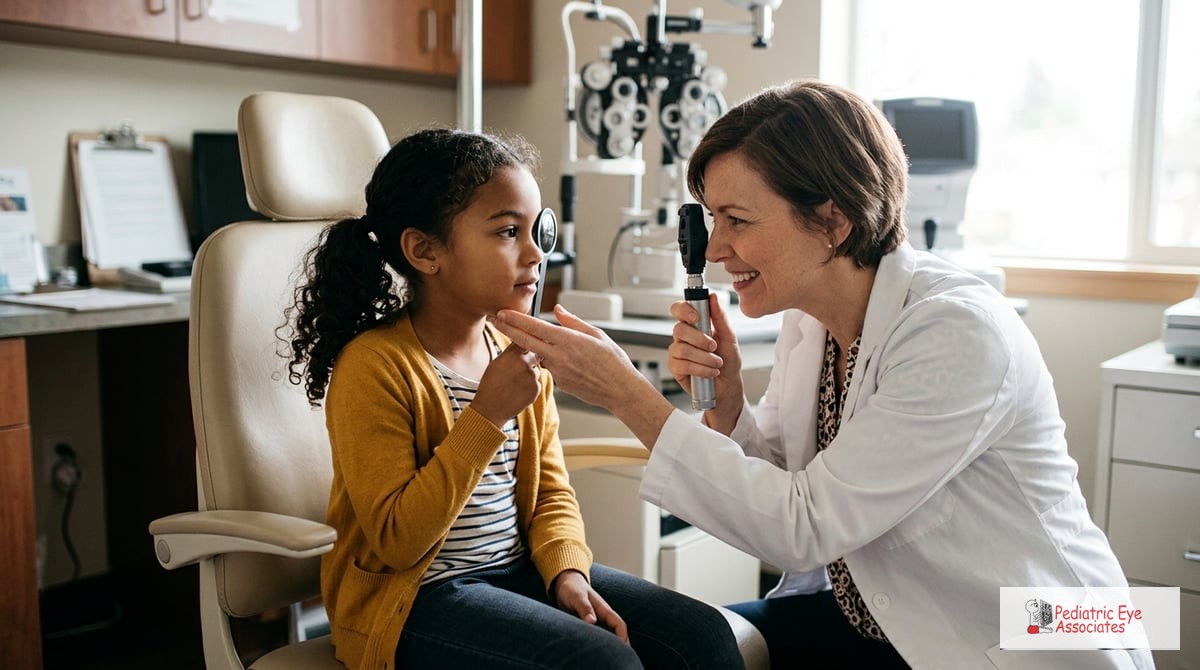
Introduction: Back-to-School Vision Screening and Its Importance
As the back-to-school season approaches, parents understandably focus on preparing their children for another year of learning. One crucial, yet often overlooked, aspect of school readiness is your child’s vision health. Just as you would prepare a backpack with essential supplies, ensuring your child’s vision is clear and healthy is vital. It’s not just about having the right tools, but also the ability to use them effectively, and clear vision is fundamental to that skill.
Professional vision screenings play a key role in identifying any potential issues that could hinder your child’s academic performance and overall development. Conditions such as nearsightedness, astigmatism, or more serious disorders like amblyopia can have lasting effects on a child’s learning capabilities. By understanding the importance of these screenings, parents can take proactive steps toward ensuring their child’s educational experience is as fruitful as possible.
Signs, Symptoms, and Common Questions About Vision Issues
Recognizing vision problems early can make a significant difference in your child’s learning experience. Be on the lookout for signs your child may be experiencing vision trouble:
-
Squinting: If your child often squints while watching television or trying to read the board at school, it may indicate vision difficulties. This behavior is often a natural response to blur, and can be an early indicator of needing glasses or contact lenses. Notably, squinting can also lead to additional strain on their eyes, exacerbating headaches or fatigue.
-
Avoiding near tasks: If your child avoids reading or other close-up work, they might be struggling with focusing, which is critical for subjects such as math and language arts. Kids who are reluctant to engage in these activities may miss out on foundational skills that are critical early in their education.
-
Frequent headaches: Recurrent headaches, especially after intensive reading or schoolwork, can signal an underlying ocular issue. These headaches might coincide with an inability to maintain focus or prolonged eye strain. It’s essential to monitor how often these headaches occur, as they could indicate a significant issue that may require immediate attention.
-
Eye rubbing: If your child rubs their eyes frequently, it might signal discomfort or fatigue, potentially induced by reading with inadequate vision. This is often a sign that their eyes are overexerted, which might lead to long-term problems if not addressed.
-
Difficulty in sports: Struggling with ball sports or other physical activities that depend on visual acuity can also indicate vision problems. Good eyesight is essential for tracking moving objects and coordination. If your child finds themselves frequently missing catches or fails to judge distances accurately, an eye exam could provide clarity.
Parents often wonder when to seek professional care. It’s essential to schedule an eye exam if you notice any of these signs. Early detection of vision issues can lead to effective interventions, such as corrective lenses, or other targeted treatments, ultimately leading to better academic outcomes and smoother daily experiences for your child. Moreover, addressing these issues early on can help your child build confidence in their abilities both in and out of the classroom.
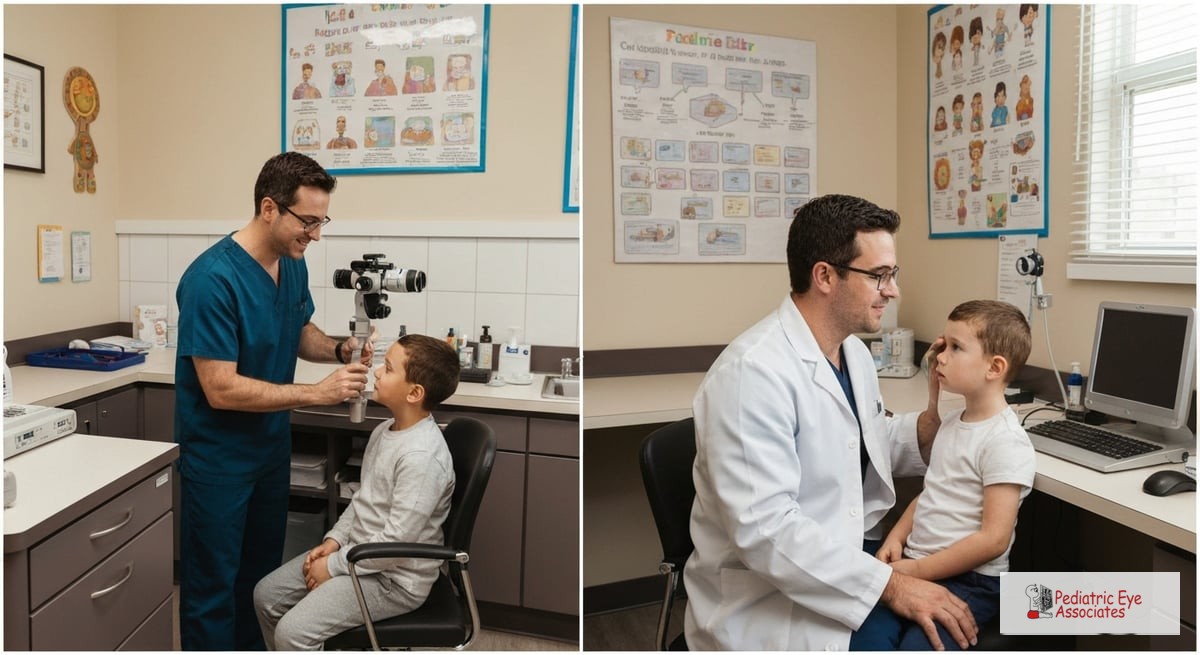
How Pediatric Eye Associates LLC Helps
At Pediatric Eye Associates, we understand the unique challenges that come with caring for children’s eye health. Our practice features two board-certified, fellowship-trained pediatric ophthalmologists, Dr. Rachel Bloom, who specialize in diagnosing and treating various pediatric eyes conditions. Her expertise encompasses a wide range of issues, from simple refractive errors to more complex ocular diseases that can significantly impact a child’s visual capabilities and, by extension, their academic journey.
With years of experience and a compassionate approach, we provide comprehensive eye exams that are tailored to children’s needs. Our exams include a thorough assessment of vision development and screening for refractive errors, crucial for drafting a personalized treatment plan. Specific components of our eye exams include:
-
Dilation for accurate assessment of refractive error, allowing us to examine the back of the eye for any abnormalities that could indicate more serious conditions.
-
Objective refraction measurement for young children using age-appropriate methods to ensure children remain comfortable and engaged throughout the exam. This might involve using colorful toys or engaging characters to make the process less intimidating.
-
Screening for common conditions like amblyopia (lazy eye), myopia (nearsightedness), strabismus (eye misalignment), and other prevalent pediatric visual disorders. Each of these conditions can lead to different challenges in learning, and early diagnosis can help mitigate long-term effects.
We believe that a child’s eye health is integral to their overall well-being, not just academically but socially. Each examination is conducted in a child-friendly environment, complete with engaging activities and a welcoming atmosphere, making it reassuring for both kids and parents alike. Understanding that children’s comfort is paramount, we ensure that each visit leaves a positive impression, encouraging them to prioritize their eye health as they grow.
Practical Tips and Takeaways for Parents
As a parent, you play a crucial role in safeguarding your child’s vision health. Staying vigilant and proactive can catch potential issues before they escalate. Here are some actionable tips to consider:
- Schedule Regular Eye Exams: The American Academy of Pediatrics recommends having your child’s eyes examined at least once before starting school and every one to two years thereafter depending on risk factors, such as family history of eye conditions or existing vision issues. Early intervention can take place if any issues are detected early on.
- Encourage Healthy Screen Time: Limit screen time and encourage breaks to help reduce digital eye strain, especially during homework and recreational activities. A good rule of thumb is the 20-20-20 rule: every 20 minutes, have your child look at something 20 feet away for at least 20 seconds. This simple practice can do wonders for eye comfort.
- Create a Good Reading Environment: Ensure your child reads in well-lit spaces, and check their seating position to avoid strain. A comfortable chair and appropriate lighting can make all the difference. Consider investing in a good desk lamp that imitates natural light, as bright, evenly distributed light reduces glare and makes reading easier.
- Discuss Visual Health with Teachers: Keep an open line of communication with your child’s teachers; let them know if you have concerns about your child’s vision. Many teachers can offer insights into how your child is performing academically and observing their behavior in class. Regular conversations can help capture nuances in your child’s learning style and any challenges they may face.
- Stay Informed: Educate yourself about common vision issues and how they can impact learning. Knowledge is key to effective advocacy for your child’s health. Familiarize yourself with visual terms and conditions, and don’t hesitate to ask questions during appointments or research on reputable websites. Consider joining parenting forums or local groups that emphasize eye health to share experiences and learn from others.
Implementing these tips can help you support your child’s eye health as they embark on a new school year. Cultivating good habits now will not only protect their vision but also enhance their lifelong learning experience. Remember, fostering a culture of health in your child’s life sets the stage for their long-term success.
Conclusion: Ensuring Your Child’s Vision Success
In conclusion, prioritizing your child’s vision health as they head back to school is essential. Regular professional eye exams can help detect and treat vision problems before they affect learning and development. Unaddressed vision issues can lead to frustration in the classroom, impacting not only academic performance but also social relationships with peers and self-esteem. It’s not merely about academic success; a child with healthy vision is more likely to participate confidently in classroom discussions and activities.
At Pediatric Eye Associates, we are dedicated to providing expert pediatric care in a friendly, supportive environment. Our inclusive approach ensures every child feels comfortable and understood while receiving high-quality eye care. We invite families to become active participants in their children’s visual health journey. If you have concerns or wish to schedule an exam, don’t hesitate to contact us today. Protecting your child’s vision ensures they can thrive academically and socially throughout the upcoming school year and beyond. Remember that taking these small steps for your child’s vision today can lead to bright futures filled with opportunities for success.
Common Questions About Back-to-School Vision Screening
When should I schedule my child’s first eye exam?
The American Academy of Pediatrics recommends that children have their first comprehensive eye exam at six months of age, followed by exams at age three and again before starting school. Early assessments help catch developmental issues early, ensuring better outcomes.
What should I expect during my child’s eye exam?
Exams typically include a thorough evaluation of visual acuity, eye alignment, focus, and general eye health. Our pediatric specialists use child-friendly techniques to ensure comfort throughout the process, often using playful methods to engage younger patients. Expect a gradual introduction to the exam process, ensuring it’s a positive experience.
What are the signs that my child needs glasses?
Signs may include squinting, frequent headaches, difficulty reading the board in school, or complaints about blurred vision. If you notice these signs, schedule an exam quickly to prevent further strain on their visual system. Being proactive can provide substantial relief and help prevent disruptions in learning.
How often should my child have their eyes checked?
For healthy children, eye exams should be performed at least every two years. If your child has vision issues or risk factors, such as family history or previous ocular conditions, more frequent exams may be necessary to monitor and manage their eye health. Staying ahead of potential issues can sustain their learning capabilities.
What pediatric eye care services do you offer?
We offer a wide range of services, including comprehensive pediatric eye exams, management of conditions like amblyopia and strabismus, and our pediatric optical shop for eyewear needs. This ensures all aspects of your child’s vision care are covered under one roof, facilitating a seamless experience from diagnosis to treatment.
This article was created with the help of AI. Images may also be AI-generated.