
Understanding Myopia Progression in Children
Myopia, commonly known as nearsightedness, is a refractive error that affects a child’s ability to see distant objects clearly. As children grow, the progression of myopia can become a significant concern for parents. Research indicates that many children experience worsening myopia as they age, especially during the school years when academic demands increase.
Understanding the risk factors for myopia can be pivotal in managing its progression. Factors include family history, prolonged near-work activities like reading or using screens, limited outdoor time, and overall visual habits. Without proper management, myopia can lead to more serious eye problems in the future, making awareness and proactive steps essential.
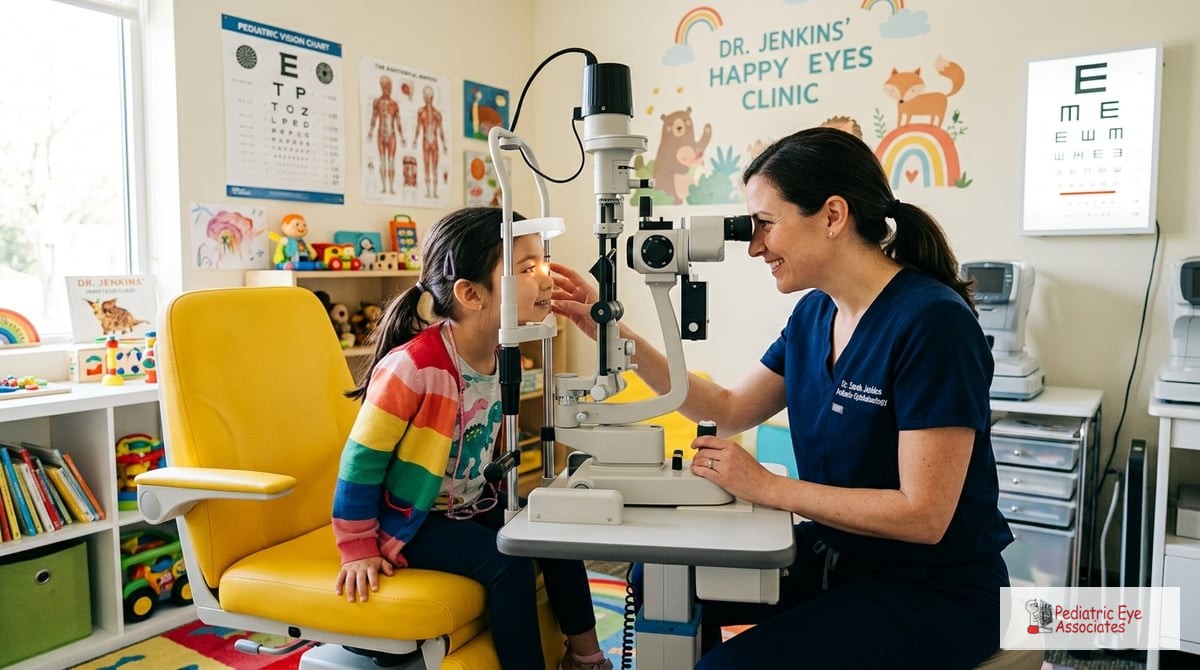
At Pediatric Eye Associates, we provide comprehensive evaluations and customized management plans to help slow myopia progression in children. Our skilled team is dedicated to ensuring your child’s vision health remains a top priority as they navigate their formative years.
Signs and Symptoms of Myopia in School-Aged Children
Parents play a crucial role in identifying potential vision issues related to myopia. Typical signs that your child may be experiencing myopia include:
- Squinting: If your child frequently squints to see distant objects, it may indicate a problem with visual acuity.
- Eye rubbing: Rubbing their eyes might be a sign of discomfort or fatigue associated with strained vision.
- Difficulty seeing the board: Struggling to see the whiteboard clearly in class can be a strong indicator of myopia.
- Frequent headaches: Persistent headaches may occur from eye strain due to uncorrected refractive errors.
Be observant of these signs as your child grows. Early detection and intervention can greatly influence the effectiveness of management strategies. Ensure your child has regular eye exams, and don’t hesitate to schedule an appointment if you notice any symptoms.
How to Reduce Myopia Progression
Effective management of myopia in school-age children involves a multi-faceted approach that incorporates lifestyle changes, regular eye examinations, and, in some cases, specialized treatments. Here are some strategies that can help reduce myopia progression:
- Spend Time Outdoors: Studies suggest that children who spend more time outdoors have a lower risk of developing myopia. Encourage outdoor play, as natural light may help in the prevention of myopia.
- Limit Near Work: Help your child maintain a healthy balance between near-work activities and breaks. Encourage them to take frequent breaks using the 20-20-20 rule: every 20 minutes of near work, look at something 20 feet away for 20 seconds.
- Regular Eye Exams: Regular comprehensive eye examinations by a pediatric ophthalmologist are essential to monitor your child’s vision and adjust treatments as necessary.
- Opt for Myopia Control Options: FDA-approved treatments like MiSight 1 day contact lenses have been shown to help slow myopia progression in children aged 8 to 12. Discuss these options with your child’s eye care provider.
Taking these proactive measures can help maintain your child’s vision and potentially slow the rate of myopia progression.
The Role of Pediatric Eye Associates in Myopia Management
At Pediatric Eye Associates, we are committed to providing personalized eye care that caters to the unique needs of children. Our experienced team, includes fellowship-trained pediatric ophthalmologists, is dedicated to diagnosing and managing a wide range of pediatric eye conditions, including myopia.
Our comprehensive eye exams utilize advanced technology to assess your child’s vision accurately. If your child is diagnosed with myopia, we will work closely with you to develop a tailored management plan. This may include:
- Regular follow-up exams to monitor vision changes
- Gentle guidance on visual habits and eye care education for both children and parents
- Fitting of specialized lenses like MiSight 1 day contact lenses that help in myopia management
- Discussion of surgical options if appropriate as your child matures
From comprehensive assessments to discussing treatment options, our goal is to create a supportive and informative environment where both you and your child feel confident in managing their vision health.
Creating a Kid-Friendly Environment
It’s essential to create a vision-friendly environment for your child both at home and at school. This includes ensuring good lighting when reading and doing homework, maintaining proper seating arrangements, and limiting distractions during near-work activities. A comfortable and supportive environment encourages better viewing habits and helps prevent eye strain.
Make visits to the eye doctor a positive experience by explaining what will happen in a way that is reassuring. Additionally, make use of activities that promote eye health, like playing outdoor games, engaging in sports, and encouraging breaks from screens and close work.
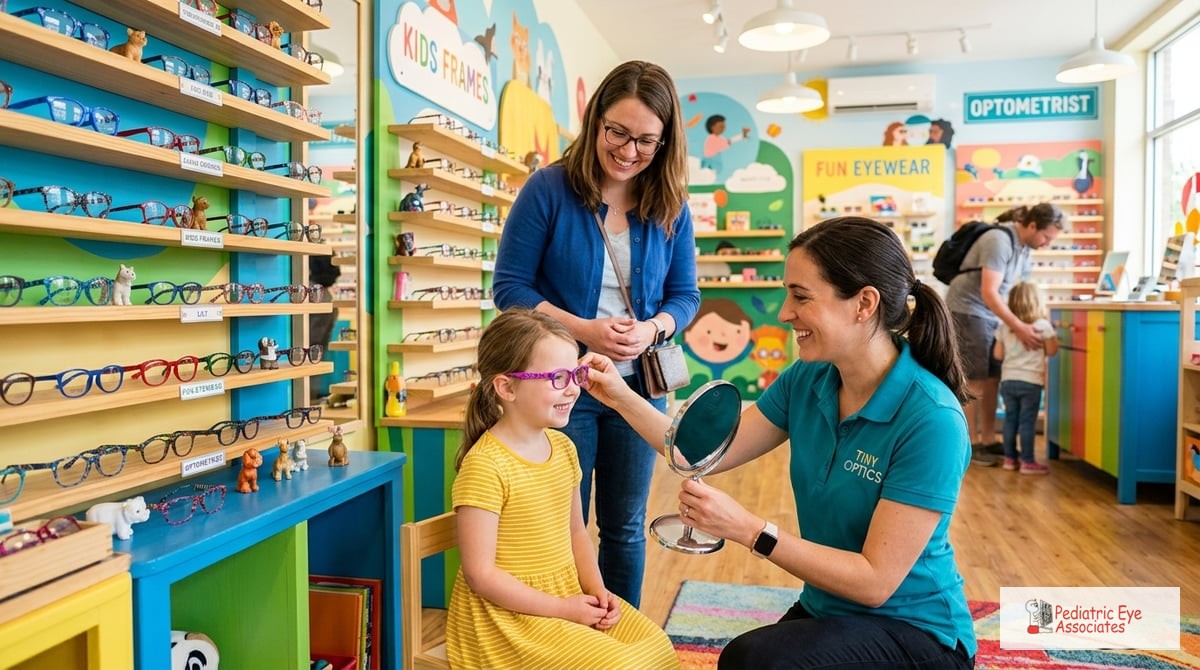
For families looking for eyewear options, PD Optics – Pediatric Optical Shop in Livingston, NJ offers a wide variety of stylish and durable frames that are perfect for children. Our friendly staff is happy to assist in selecting the right eyewear that suits your child’s personality while also meeting their vision care needs.
Take Action for Your Child’s Eye Health
As a parent, you are vital in advocating for your child’s vision health. Regular eye exams are key to detecting any issues early and implementing effective management strategies. Myopia progression can be managed, especially when detected and treated early. If you notice any signs of difficulty with vision in your child, don’t wait to reach out to us.
At Pediatric Eye Associates, we are here to support and guide you through every step of your child’s eye care journey. Schedule a pediatric eye exam today to get started!
Common Questions
What causes myopia in children?
Myopia often results from a combination of genetic and environmental factors. Children who have parents with myopia are more likely to develop it themselves.
At what age should my child have their first eye exam?
The American Academy of Pediatrics recommends that children have their first eye exam at six months, followed by another at age three and again before starting school.
Can myopia be corrected?
Yes, myopia can typically be corrected with glasses, contact lenses, or refractive surgery for older teens and adults.
What are the risks of uncorrected myopia?
If left uncorrected, myopia can lead to various issues, including lazy eye, eye strain, and increased risk for more serious eye conditions later in life.
How can I prevent my child’s myopia from worsening?
Encourage outdoor play, limit screen time, ensure proper lighting for reading, and schedule regular eye exams. Consider myopia control options after discussion with your child’s eye care provider.
This article was created with the help of AI. Images may also be AI-generated.